Pediatric Cardiology
You will carry out prevention and diagnosis actions, as well as treatment and rehabilitation of congenital cardiopathies, cardiac malformations, and heart alterations in pediatric patients.
Download the brochure

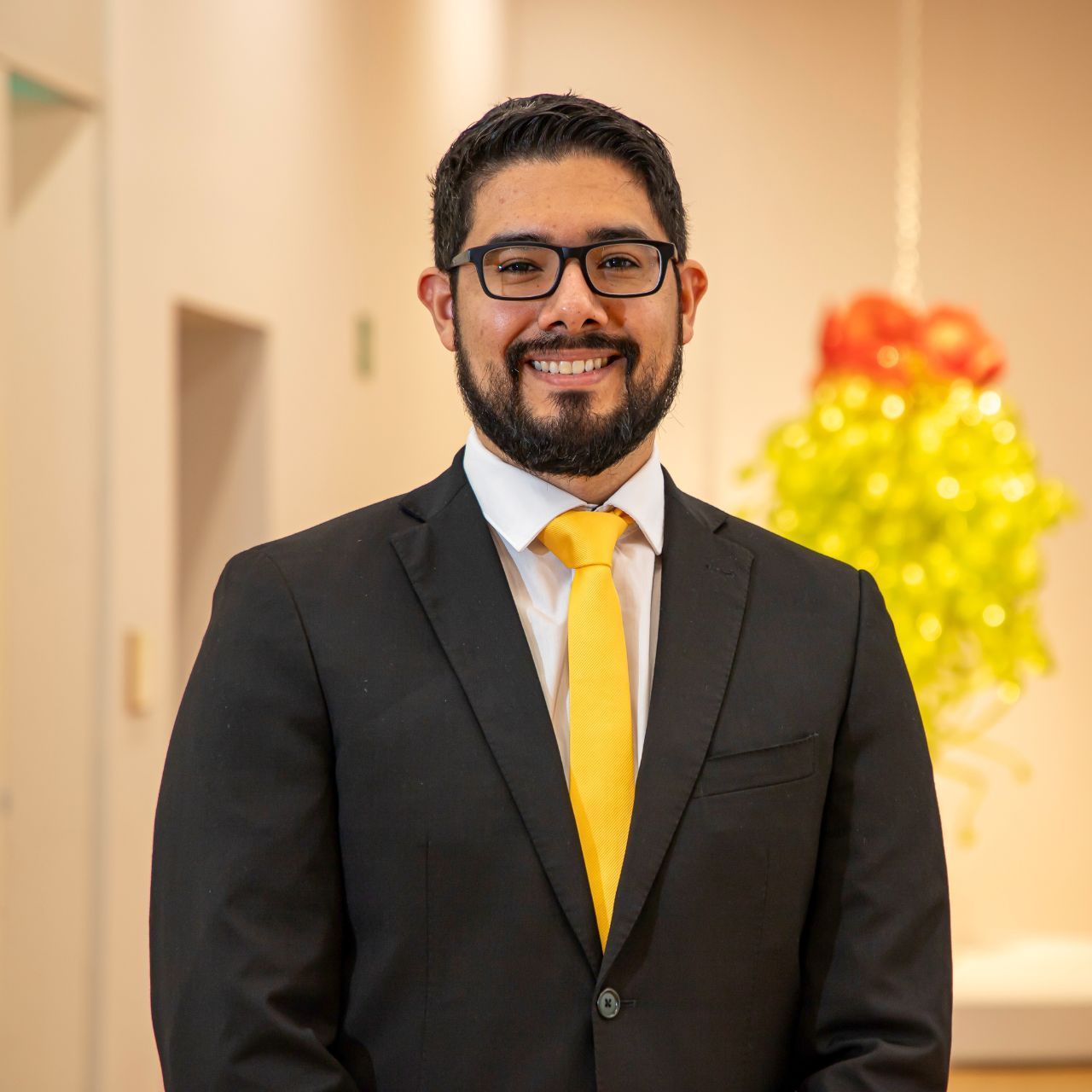
Joan Stephanie Celis Jasso
Graduate Program Director
Joan.celis@udem.edu
+52 (81) 82151000 ext. 1291
Description
The specialist in Pediatric Cardiology, through medical practice grounded in problem-solving educational methodology, becomes highly competent in their specific field of action.
The duration of the Specialty in Pediatric Cardiology is 2 years.
Required Academic Background: Pediatrics Specialty.
Primary Clinical Site
-
Mexican Institute of Social Security (IMSS)
- High Specialization Medical Unit, Cardiology Hospital No. 34
Recognition of Official Validity of Studies (RVOE) granted by the Secretary of Public Education according to agreement: 20211070, valid until 03/01/2024.
Objective
The objective is to train pediatric cardiologists who are equipped to meet the highest biopsychosocial health standards in the prevention, diagnosis, treatment, and rehabilitation of congenital and acquired cardiovascular diseases in pediatric patients. They will skillfully and proficiently use state-of-the-art technology, with special emphasis on the human aspect of medicine, teamwork, and a primary focus on teaching and research.
Admission Profile
Possess the scientific fundamentals of medicine, particularly in pediatrics.
Evaluate patients with pediatric pathology.
Have extensive knowledge of scientific methodology and epidemiological methods.
Understand and translate the English language.
Manage diagnostic and therapeutic procedures in pediatrics.
Work effectively in a team.
Have basic internet navigation skills.
Understand basic Microsoft Office (Word, Excel, PowerPoint).
Know and manage statistical packages.
Demonstrate warmth and availability in patient and family care.
Possess values of honesty and respect for others.
Maintain a habit of studying and participating in continuous education activities.
Promote a healthy lifestyle to prevent diseases and enjoy a better quality of life.
Graduate Profile
Upon completion of this Subspecialty in Pediatric Cardiology, you will have acquired the following knowledge:
Possess scientific and specialized knowledge in congenital and acquired heart diseases.
Have a solid foundation in anatomy, embryology, genetics, biochemistry, clinical physiology, cardiovascular imaging and therapeutic options (pharmacological, interventional or surgical).
Have knowledge in the prevention and protection of cardiac health in children.
Be capable of diagnosing and treating cardiac rhythm disturbances in children and following up patients with acquired sequelae.
Possess extensive knowledge of biostatistics, epidemiology, chromosomal diseases and hereditary conditions associated with congenital malformations.
Understand clinical cardiological problems requiring attention from another specialty.
Upon completion of this Subspecialty in Pediatric Cardiology, you will have acquired the following skills:
Evaluate and follow up on pediatric patients with cardiovascular pathology.
Apply evidence-based medicine to resolve cardiac diseases in pediatric patients.
Reflectively use preventive, diagnostic, treatment and rehabilitation resources available.
Apply prevention levels to cardiovascular problems in infants.
Analyze and request complementary diagnostic methods, invasive or noninvasive, as indicated.
Refer for surgical treatment in cases of cardiopathies requiring it.
Collaborate productively in interdisciplinary workgroups in the field of pediatric cardiology.
Develop competencies for continuous education and professional improvement.
Apply the scientific method in generating new knowledge in pediatric cardiology and identify strategies to systematize the healthcare process.
Upon completion of this Subspecialty in Pediatric Cardiology, you will have acquired the following attitudes:
Establish a positive relationship with children with heart disease, their families and the professional environment.
Respect the principles of medical ethics and act with humanism and respect toward pediatric patients and their families.
Treat the patient as an indivisible bio-psycho-social being.
Pursue selflearning and assume the moral obligation to educate future generations of physicians, healthcare personnel and society.
Generate knowledge to contribute to solving the problems of cardiac patients.
Practice the profession in adherence to legal standards.
Prioritize respect for the environment in their actions.
Curriculum
| Clave | Materia | CRS Año |
|---|---|---|
| ESPC1010 | Clinical Training I | 70 |
| ESPC1011 | Basic Sciences in Pediatric Cardiology | 6 |
| ESPC1012 | Congenital and Acquired Heart Diseases I | 6 |
| ESPC1013 | Diagnostic Methods in Cardiology I | 6 |
| ESPC1014 | Research I | 12 |
| ESPC1015 | Clinical Management | 4 |
| Clave | Materia | CRS Año |
|---|---|---|
| ESPC2010 | Clinical Training II | 70 |
| ESPC2012 | Congenital and Acquired Heart Diseases II | 4 |
| ESPC2011 | Arrhythmias in Pediatrics | 4 |
| ESPC2013 | Diagnostic Methods in Cardiology II | 4 |
| ESPC2015 | Cardiovascular Pharmacology | 4 |
| ESPC2016 | Pediatric Cardiovascular Surgery | 4 |
| ESPC2014 | Research II | 12 |
| ESPC2017 | Interventional Cardiology | 6 |