Plastic and Reconstructive Surgery
You will be capable of treating alterations of the face and body, encompassing reconstructive surgery and plastic surgery.
Download the brochure

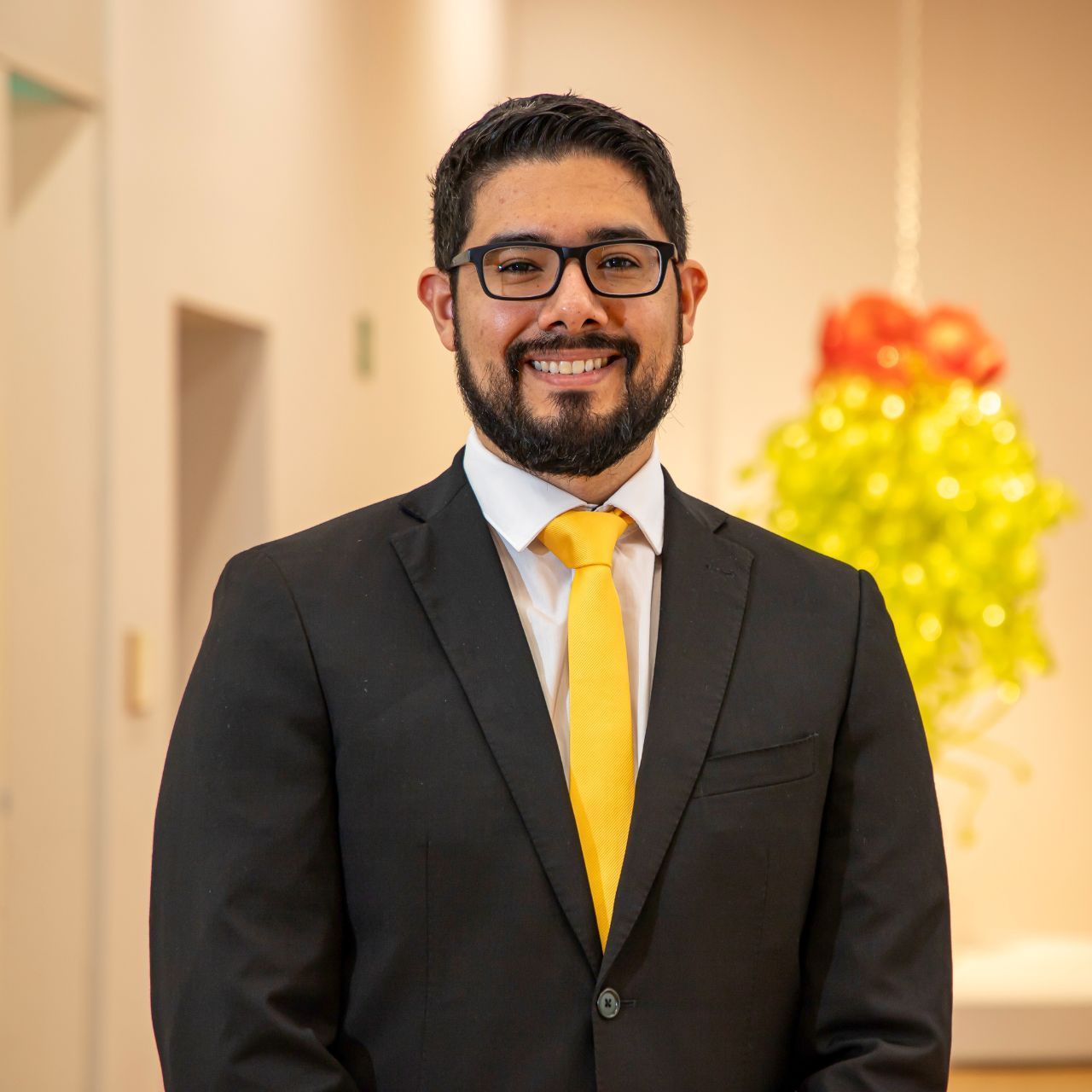
Joan Stephanie Celis Jasso
Graduate Program Director
Joan.celis@udem.edu
+52 (81) 82151000 ext. 1291
Description
The Specialist in Plastic and Reconstructive Surgery, through medical practice supported by an educational methodology focused on problem-solving, becomes a highly competent professional in their specific field of action.
The duration of the Specialty in Plastic and Reconstructive Surgery is 4 years.
Required Academic Background: 2 years of specialization in General Surgery.
Primary Clinical Site
-
Mexican Social Security Institute (IMSS)
- High Specialization Medical Unit, Traumatology and Orthopedics Hospital No. 21
Recognition of Official Validity of Studies (RVOE) granted by the Secretary of Public Education according to agreement: 20110457
Objective
To prepare residents in the specialty of Plastic and Reconstructive Surgery with the knowledge and skills necessary to correct facial and body deformities caused by congenital defects, trauma, diseases or aging, collaborating with a multidisciplinary team in an ethical framework and respect for the environment, as well as using scientific research methodology as a habitual instrument in comprehensive patient care.

Admission Profile
Understanding of the scientific foundations of general medicine.
Basic knowledge of scientific methodology and epidemiological methods.
Proficiency in spoken and written Spanish.
Ability to understand and translate from English.
Perform diagnostic and therapeutic procedures in Preventive Medicine and Epidemiology.
Work effectively in a team.
Systematically retrieve medical information.
Have basic ability to navigate the internet.
Familiarity with and ability to use Microsoft Office.
Utilize statistical packages.
Demonstrate warmth and availability in patient and family care.
Act with discipline, order and punctuality.
Work with values of honesty and respect for others.
Cultivate the habit of studying and participating in continuous education activities.
Promote a healthy lifestyle to prevent diseases and improve quality of life.
Exhibit an enterprising spirit, an attitude of academic achievement and selfdirected learning.
Demonstrate responsibility and leadership within the healthcare team.
Show perseverance in professional development.
Graduate Profile
Upon completion of your studies in Plastic and Reconstructive Surgery, you will have developed the following knowledge:
Apply knowledge of methods and techniques of medical care corresponding to those that a specialist in plastic and reconstructive surgery must perform individually and as part of a team of specialists.
Master the fundamental aspects of plastic surgery such as abnormal scarring, skin properties and management of traumatic injuries.
Evaluate several types of skin tumours and salivary gland tumours.
Understand surgical procedures for aesthetic surgery of the trunk, extremities and breast reconstruction, as well as reconstructive procedures applicable to facial and cranial trauma and facial paralysis.
Apply the fundamental principles of reconstruction using tissue engineering.
Consult, select, analyse and evaluate medical literature in their specialty, applying it appropriately to their daily practice to support, deepen and expand their professional actions.
Upon completion of your studies in Plastic and Reconstructive Surgery, you will have developed the following skills:
Apply diagnostic and treatment resources relevant to their professional practice area with a critical mindset.
Select, analyse and evaluate medical literature related to plastic and reconstructive surgery, applying it appropriately to daily practice.
Collaborate productively with various medical professionals on the medical team, aiming for an integrative vision of their work in relation to that of other medical professionals.
Interpret the professional formation process of a physician as a human and social phenomenon, considering the institutional conditions in which the practice and teaching of medicine occur.
Be highly skilled in the comprehensive management of burn patients.
Practice the technical principles of microsurgery.
Be proficient in the comprehensive care of patients with massive weight loss.
Upon completion of your studies in Plastic and Reconstructive Surgery, you will have developed the following attitudes:
Uphold the practice of plastic and reconstructive surgery based on principles of humanism, considering the biopsychosocial integrity and respect for the environment.
Participate in the development of medical research projects aimed at seeking latest information to address significant issues in the specialty.
Engage in health education activities directed towards patients and social groups.
Collaborate productively in interdisciplinary healthcare teams, seeking an integrated view of their work in relation to that of other professionals in the field.
Possess an awareness of their social responsibility and importance within the healthcare system.
Act in accordance with medical ethics.
Be sensitive to the personal, familial and social implications of patient care to provide better guidance and support.
Demonstrate a commitment to continuous improvement and ongoing education, sharing their knowledge and experiences with patients, families, students and colleagues.
Ensure ongoing education and professional development for continuous improvement and ethical use of medical knowledge.
Curriculum
| Clave | Materia | CRS Año |
|---|---|---|
| SSCP1001 | Basics of Plastic Surgery | 4 |
| SSCP1002 | Flaps | 4 |
| SSCP1003 | Hand Surgery I | 4 |
| SSCP1004 | Burns | 4 |
| SSCP1005 | Tumours I | 4 |
| SSCP1006 | Microsurgery I | 4 |
| SSCP1010 | Clinical Training I | 70 |
| SSCP1008 | Research I | 8 |
| SSCP1011 | Medical Professionalism | 4 |
| Clave | Materia | CRS Año |
|---|---|---|
| SSCP2001 | Congenital Deformities I | 4 |
| SSCP2002 | Hand Surgery II | 4 |
| SSCP2003 | Tumours II | 4 |
| SSCP2004 | Microsurgery II | 4 |
| SSCP2005 | Upper Limb | 4 |
| SSCP2006 | Lower Limb | 4 |
| SSCP3010 | Bioethics | 4 |
| SSCP2010 | Clinical Training II | 70 |
| SSCP2008 | Research II | 8 |
| SSCP2011 | Massive Weight Loss I | 4 |
| SSCP2012 | Tissue Engineering I | 4 |
| Clave | Materia | CRS Año |
|---|---|---|
| SSCP3001 | Congenital Deformities II | 4 |
| SSCP3002 | Microsurgery III | 4 |
| SSCP3003 | Trunk Reconstruction | 4 |
| SSCP3004 | Craniofacial Trauma and Facial Paralysis | 4 |
| SSCP3008 | Research III | 8 |
| SSCP3012 | Clinical Training III | 70 |
| SSCP3013 | Upper Limb II | 4 |
| SSCP3014 | Hand Surgery III | 4 |
| SSCP3015 | Massive Weight Loss II | 4 |
| SSCP3016 | Epidemiology | 4 |
| Clave | Materia | CRS Año |
|---|---|---|
| SSCP4010 | Clinical Training IV | 70 |
| SSCP4001 | Cosmetic Surgery | 4 |
| SSCP4002 | Orthognathic Surgery | 4 |
| SSCP4003 | Body Aging | 4 |
| SSCP4004 | Massive Weight Loss III | 4 |
| SSCP4005 | Tissue Engineering II | 4 |
| SSCP3009 | Medical and Health Education | 6 |
| SSCP4008 | Research IV | 8 |